
Bhakti Movement in Hinduism: Meaning, Origins, Causes & Key Saints.
Explore the Bhakti Movement in Hinduism—its meaning, origins, causes, philosophy, and key saints like Shankaracharya, Ramanuja, Basavanna, Ramananda, and Kabir.
Bhakti Movement in Hinduism
The Bhakti Movement in Hinduism emphasized a deep, personal, and emotional bond between a devotee and a personal God. It focused on love, surrender, and devotion, highlighting that God responds with equal compassion and grace toward sincere devotees.
Unlike ritualistic practices, Bhakti stressed inner faith over external ceremonies, making spirituality accessible to all sections of society.
Origin and Spread of the Bhakti Movement
The Bhakti Movement originated in South India between the 7th and 10th centuries. It began with devotional hymns composed in Tamil by:
- Alvars – Devotees of Lord Vishnu
- Nayanars – Devotees of Lord Shiva
These poetic compositions expressed intense love and devotion toward God. Over time, the movement spread northward, influencing religious thought across India and shaping medieval Hindu spirituality.
Meaning of the Word “Bhakti”
The word Bhakti is derived from the Sanskrit root “Bhaja.”
While its literal meaning is “to utter”, its deeper spiritual meaning signifies:
- To adore
- To honor with love
- To surrender completely
In devotional literature, Bhakti represents unquestionable faith, selfless love, and total devotion to God. In essence, Bhakti means experiencing God through heartfelt devotion rather than intellectual knowledge or ritual performance.
Causes for the Rise of the Bhakti Movement
The emergence of the Bhakti Movement was largely a response to social and religious issues within contemporary Hindu society.
Key Causes:
- Rigid caste system that oppressed lower castes and untouchables
- Excessive rituals that were expensive and meaningless for common people
- Blind faith and dogmatism dominating religious practices
- Economic inequality reinforced by caste hierarchy
- Social discrimination and untouchability
Additionally, the Islamic principles of monotheism, equality, and complete surrender to God appealed to many liberal Hindus and influenced Bhakti thinkers.
The Bhakti leaders promoted:
- Equality beyond caste, creed, or gender
- Compassion and moral living
- Devotion to one Supreme God
- Rejection of ritualism
- Teaching in local languages for the masses
Major Saints and Teachers of the Bhakti Movement
Shankaracharya (788–820 AD)
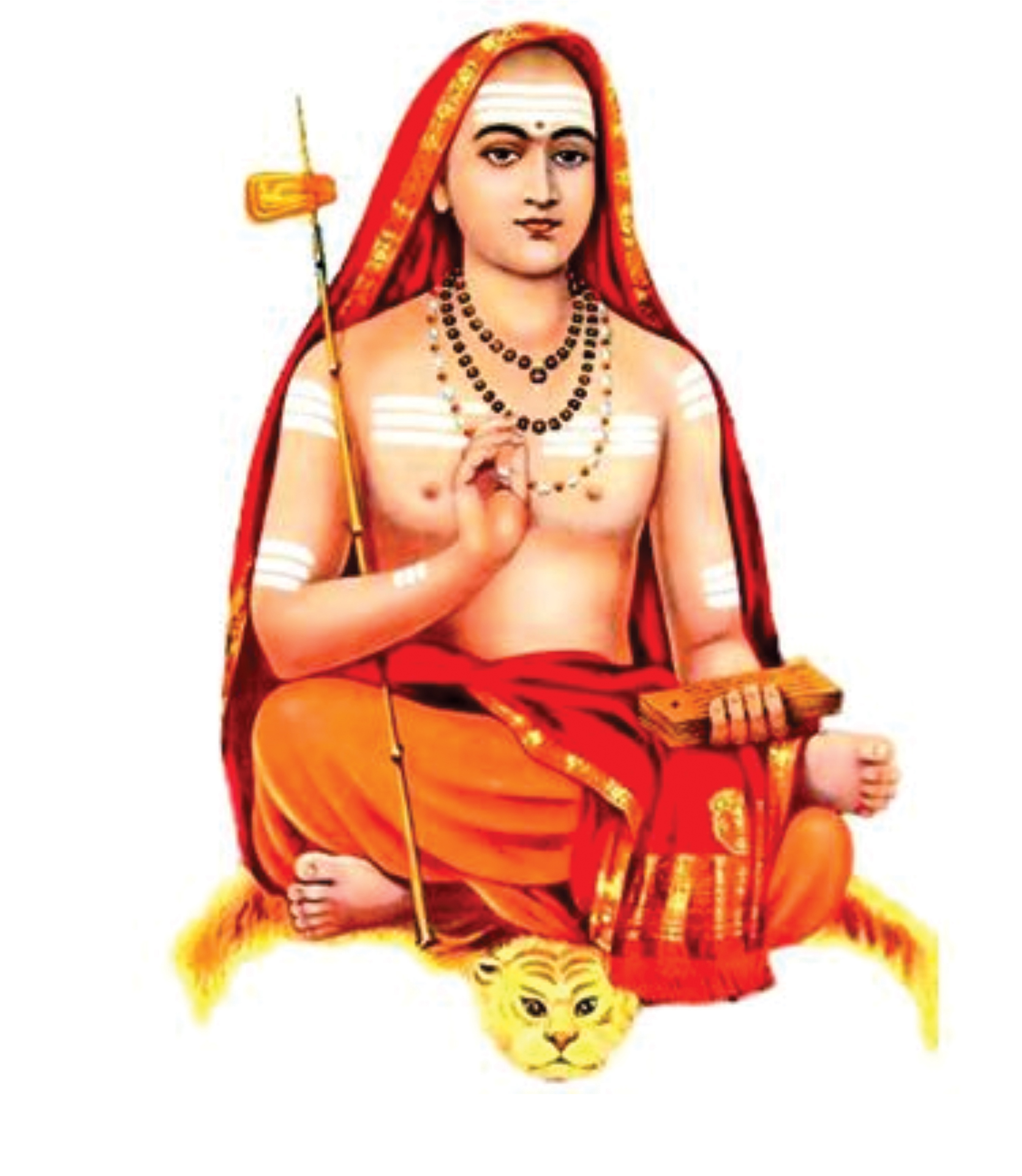
Shankaracharya was a great philosopher who consolidated the doctrine of Advaita Vedanta.
Key Contributions:
- Advocated non-dualism (Advaita) — Brahman alone is real; the world is an appearance
- Emphasized unity of Atman and Nirguna Brahman
- Criticized ritualistic Mimamsa philosophy
- Differentiated Hinduism from Buddhism by affirming the existence of the soul (Atman)
- Established monastic traditions across India
His Sanskrit works drew heavily from the Upanishads, Brahma Sutras, and Bhagavad Gita.
Ramanuja (1017–1137 AD)
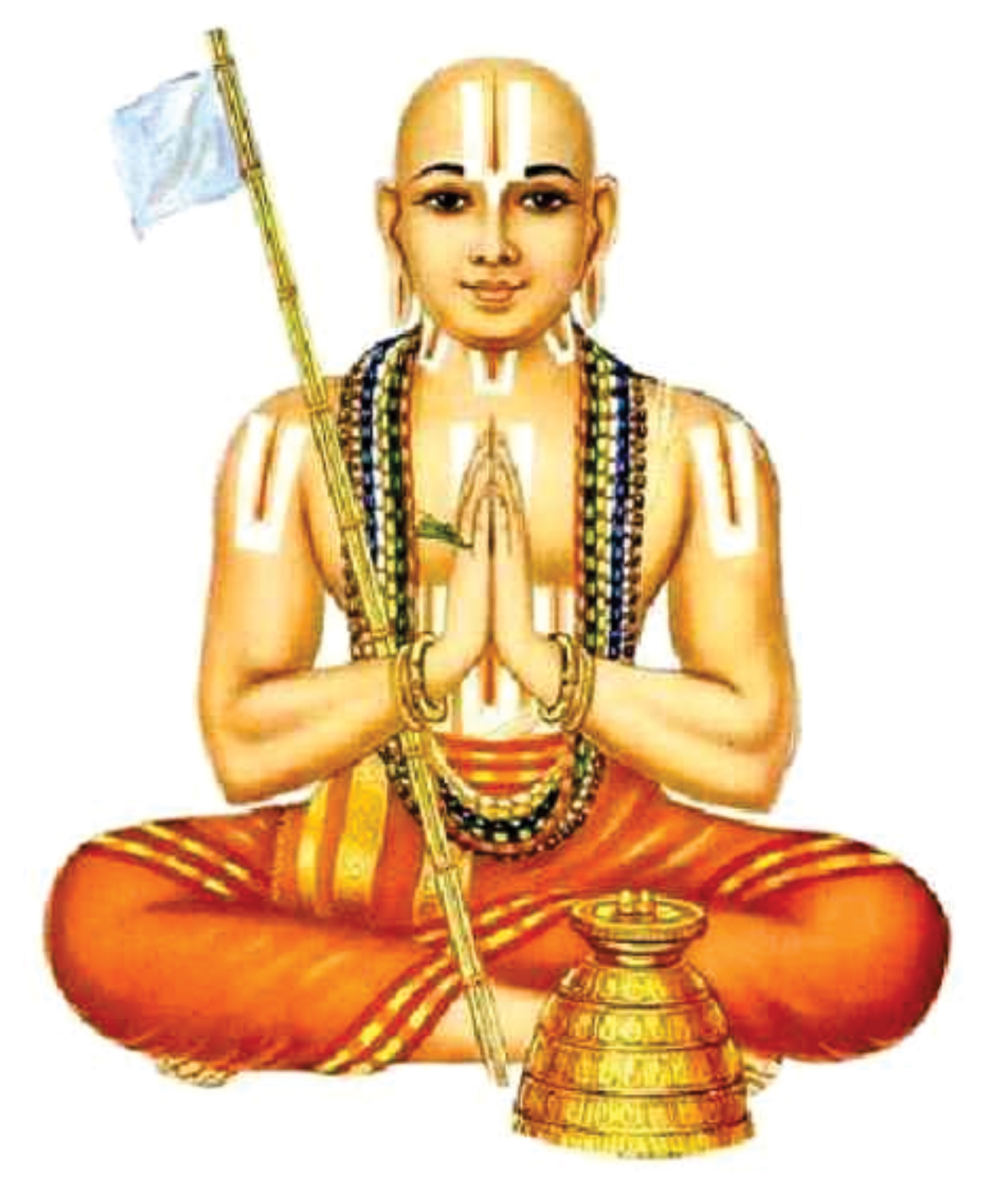
Ramanuja was a key exponent of Sri Vaishnavism, deeply influenced by the Alvars.
Philosophy: Vishishtadvaita (Qualified Monism)
- God alone is supreme, yet souls exist distinctly
- Souls are inseparable from God, like sparks from fire
- Liberation involves closeness to God, not merger
Teachings:
- Advocated Bhakti and Saranagati (complete surrender)
- Believed salvation is accessible to all, including Shudras and outcastes
Major Works:
- Sri Bhashyam
- Vedartha Sangraham
- Gita Bhashyam
Basavanna (12th Century)
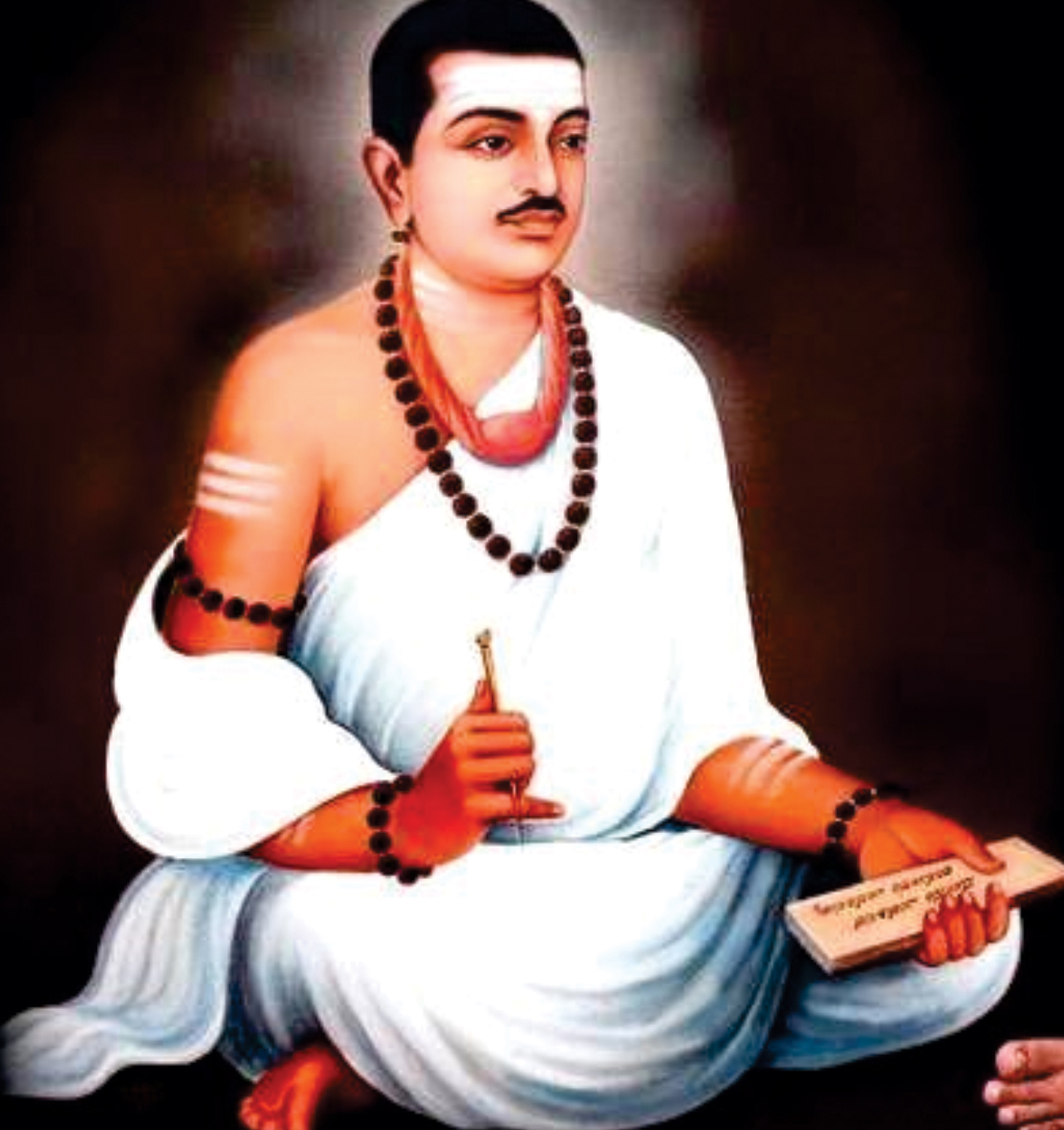
Basavanna was a philosopher, poet, and social reformer associated with the Shiva-centric Bhakti Movement.
Key Ideas:
- Rejected caste and gender discrimination
- Opposed superstition and ritualism
- Introduced Ishtalinga worship for personal devotion
- Founded Anubhava Mantapa, a spiritual assembly open to all
He was the founder of the Lingayat movement and propagated Visishtadvaita.
Literary Contribution:
- Vachana Sahitya (Kannada devotional poetry)
Ramananda (14th Century)
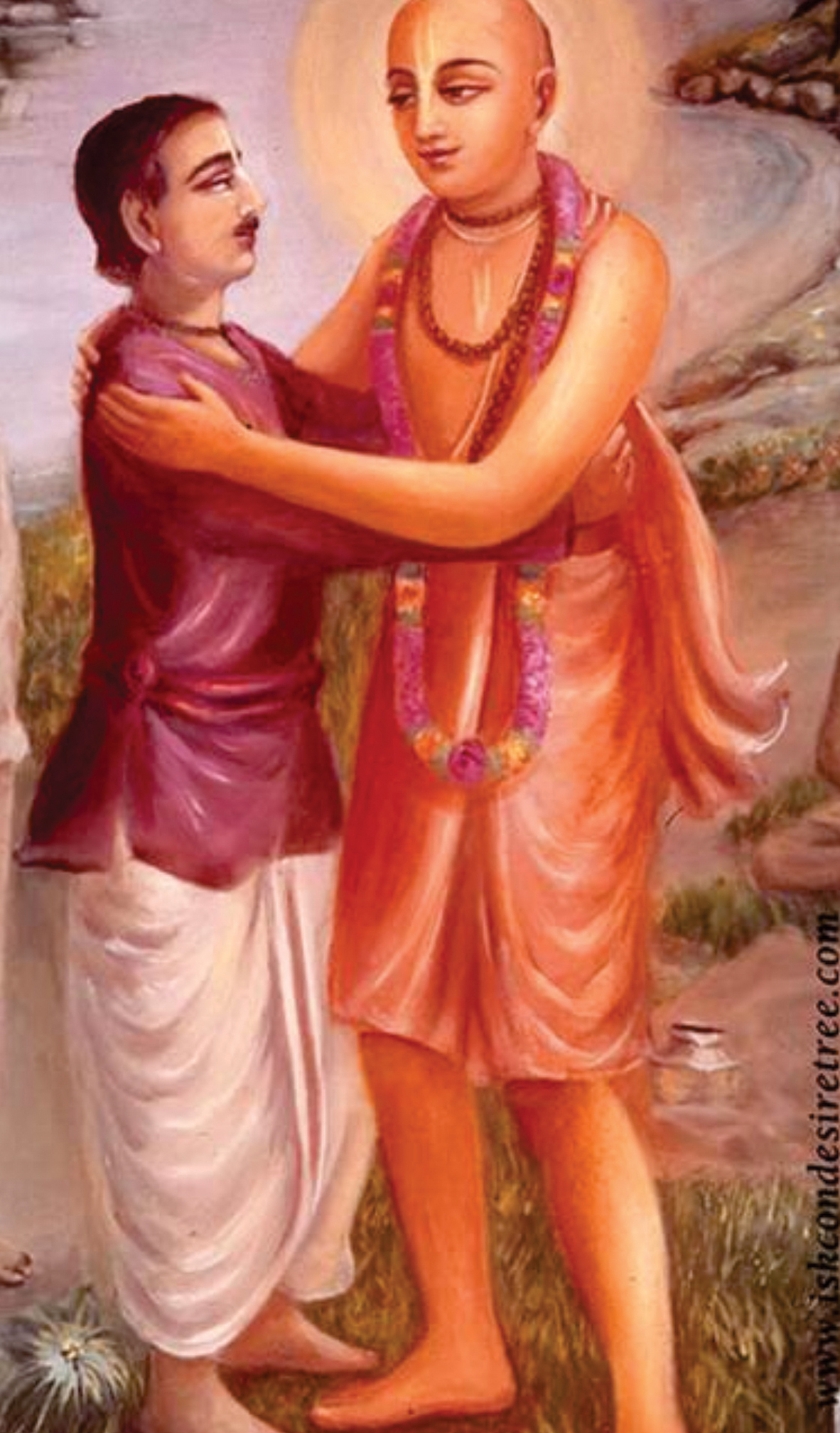
Ramananda was a Vaishnava saint and an early social reformer.
Contributions:
- Promoted devotion to Lord Rama
- Accepted disciples irrespective of caste, gender, or religion
- Influenced saints like Kabir, Ravidas, and Bhagat Pipa
His verses are referenced in the Adi Granth.
Works:
- Gyan-Lila, Yog-Cintamani (Hindi)
- Vaishnava Mata Bhajabhaskara, Ramarcana Paddhati (Sanskrit)
Kabir (1440–1510 AD)
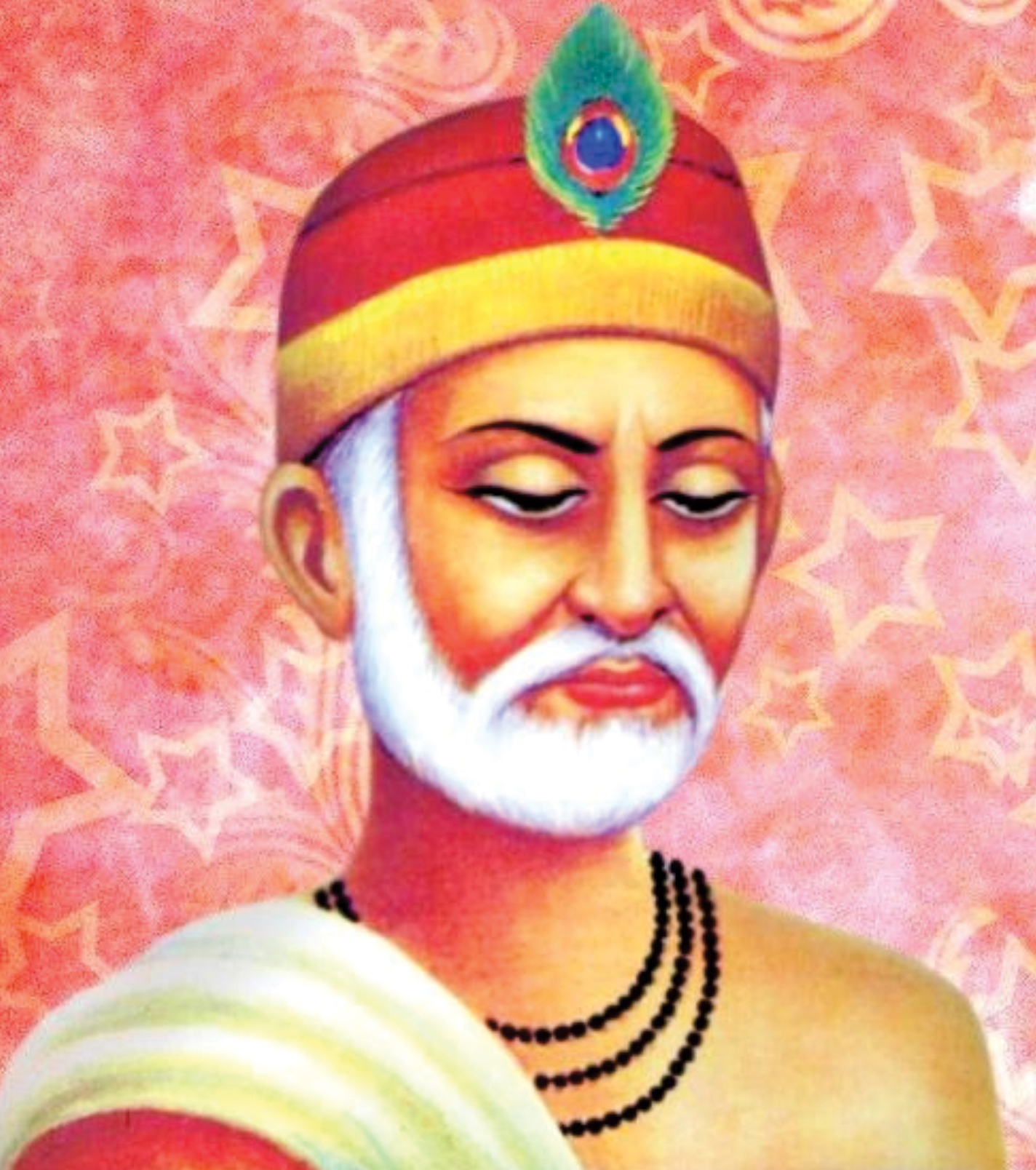
Kabir was a mystic poet who bridged Hinduism and Islam.
Core Beliefs:
- Rejected ritualism, idol worship, and caste
- Criticized both Vedas and Quran when misused
- Believed in a formless God (Nirguna Bhakti)
- Promoted unity, truth, and moral living
His verses are included in the Guru Granth Sahib.
Literary Works:
- Bijak, Sabad, Doha, Holi, Rekhta
Kabir’s teachings continue through the Kabir Panth.
Frequently Asked Questions (FAQs)
Later Bhakti Saints of India: Guru Nanak, Chaitanya, Tulsidas, Surdas & More.
Learn about later Bhakti saints of India including Guru Nanak, Chaitanya Mahaprabhu, Vallabhacharya, Surdas, Mirabai, Tulsidas, and Maharashtra saints who shaped devotional spirituality.
Later Saints of the Bhakti Movement in India
The later phase of the Bhakti Movement witnessed the rise of several influential saints across North, East, West, and South India. These saints emphasized devotion, equality, social reform, and inner spirituality, rejecting caste discrimination, ritualism, and superstition. Their teachings reached the masses through vernacular languages, music, poetry, and community worship.
Guru Nanak (1469–1538 AD)
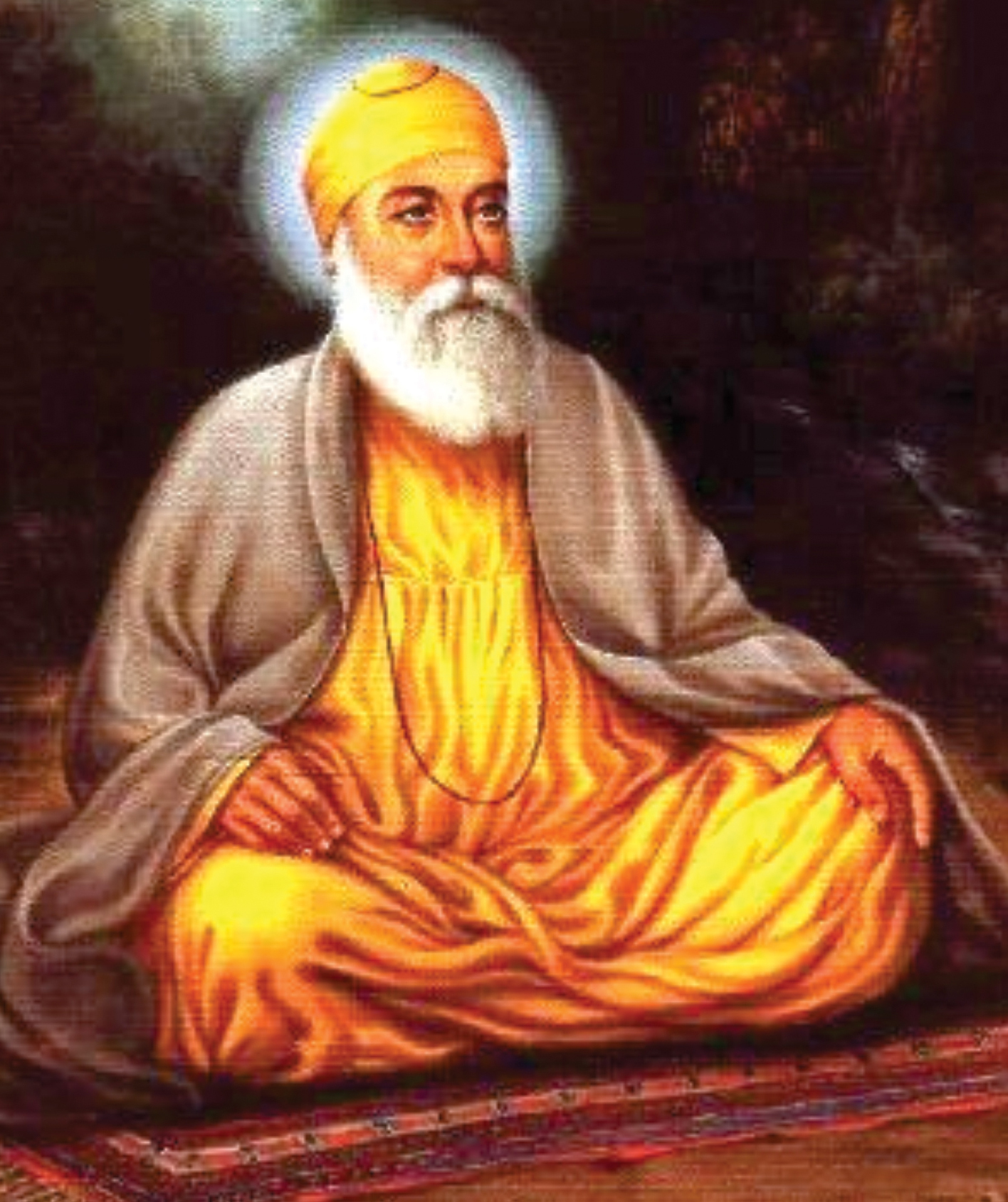
Guru Nanak integrated the Bhakti and Sufi traditions into a unified spiritual vision rooted in the socio-cultural reality of medieval India. His teachings aimed to liberate humanity from religious, social, and moral bondage.
He consciously envisioned a new socio-religious order based on:
- Universal brotherhood
- Social justice
- Humanitarian values
- Cultural pluralism and peaceful coexistence
Guru Nanak founded Sikhism and firmly opposed idol worship, caste discrimination, and ritualism. He taught devotion to One Formless God through meditation and prayer.
Teachings of Guru Nanak
- There is One Supreme God
- All humans belong to one universal brotherhood
- Truth and righteous living are essential
- God is attained through remembrance and ethical life
Three Fundamental Principles
- Naam Japna – Constant remembrance of God
- Kirat Karo – Honest living without exploitation
- Vand Chhako – Sharing with others and helping the needy
Guru Nanak identified five evils that obstruct salvation:
- Ego
- Anger
- Greed
- Attachment
- Lust
He emphasized the central role of the Guru, rejected artificial social divisions, and promoted a caste-free society through institutions like Sangat (holy congregation) and Pangat (community dining).
Purandara Dasa
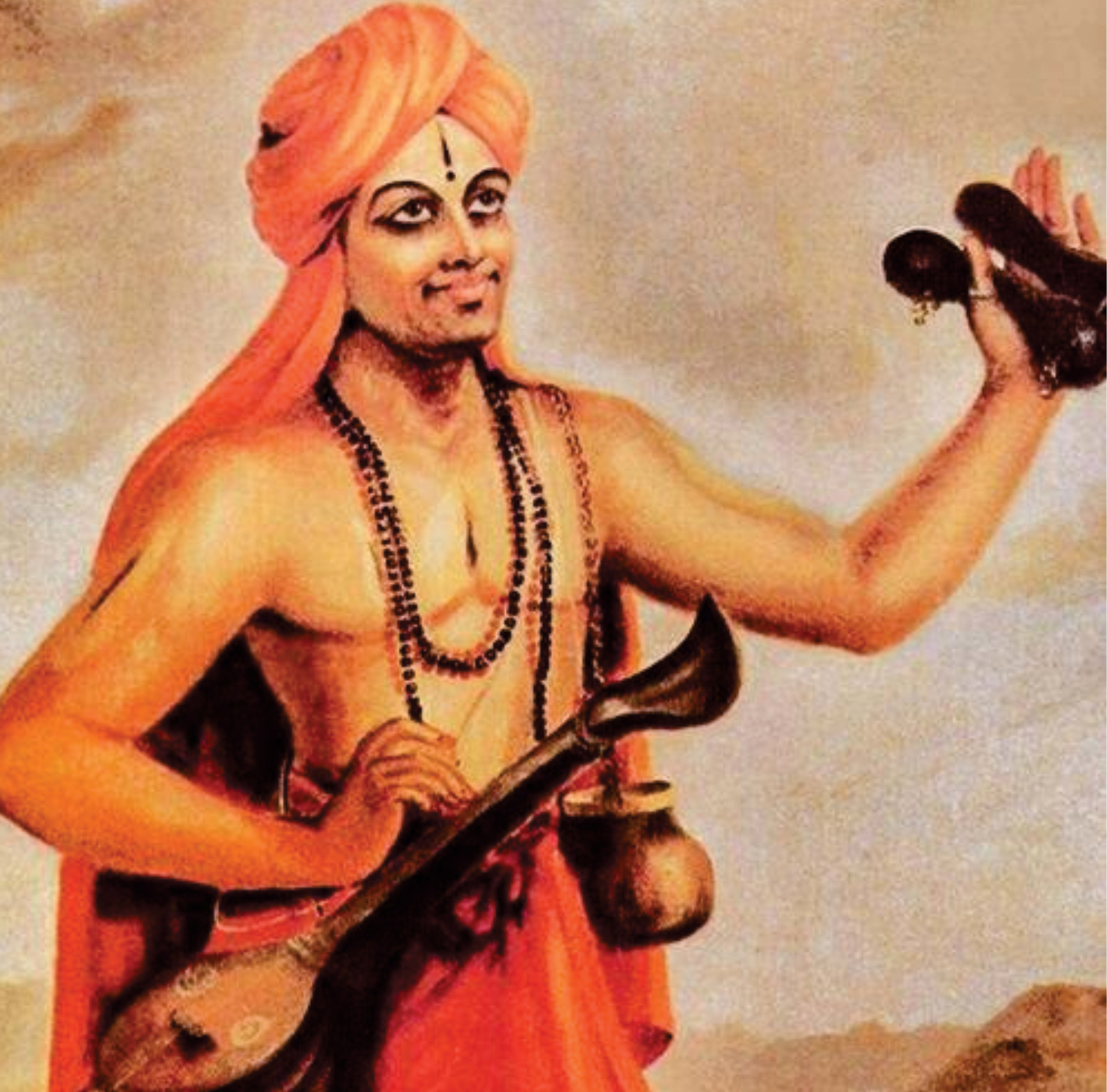
Purandara Dasa was a Haridasa saint from Karnataka and one of the chief architects of Carnatic music.
Contributions:
- Composed Dasa Sahitya, devotional songs rooted in Bhakti
- Laid the foundation of South Indian classical music
- Influenced later composers including Kanakadasa
He combined musical excellence with spiritual devotion, making Bhakti accessible through melody.
Dadu Dayal
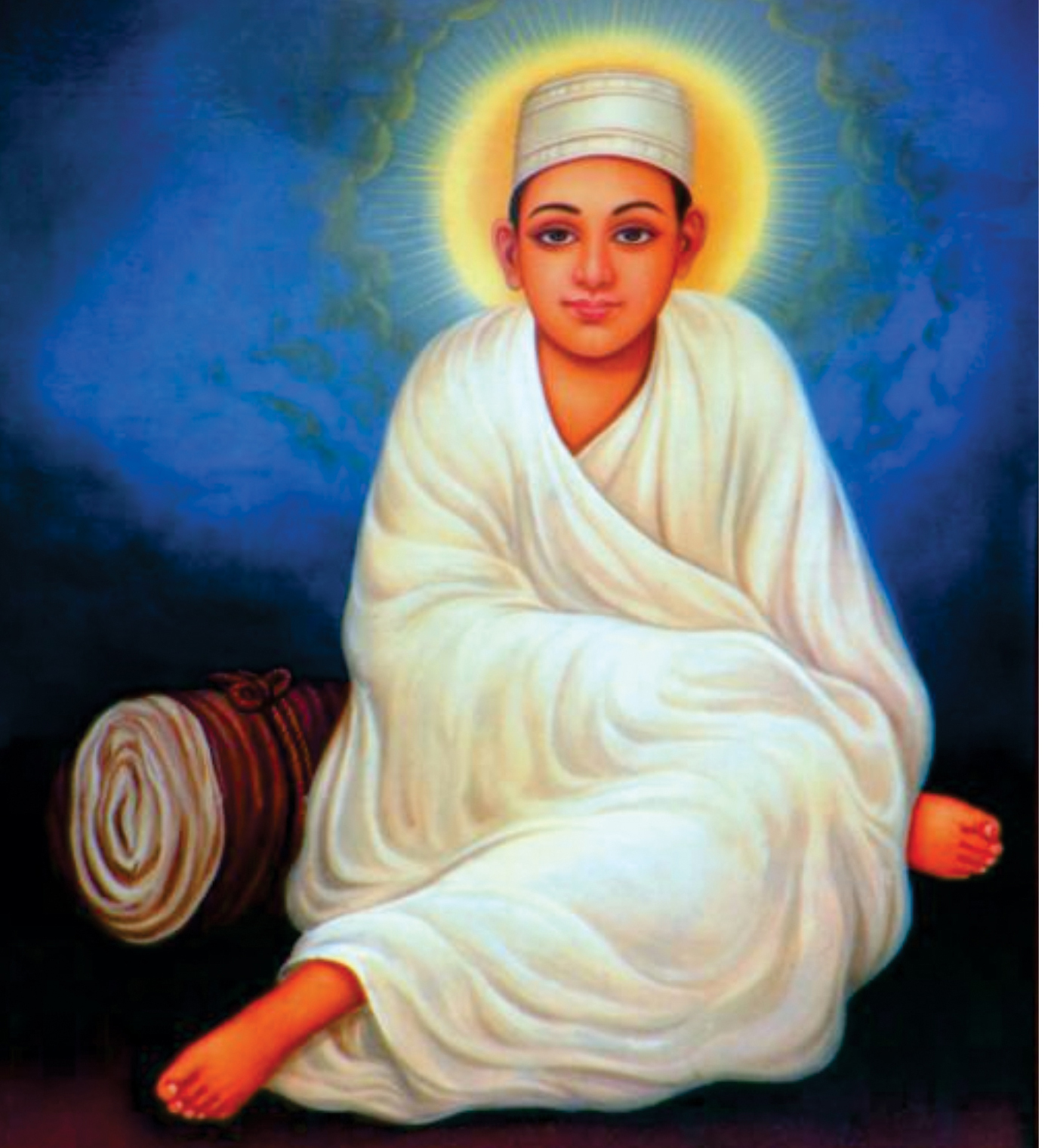
Dadu Dayal, a disciple of Kabir, was a poet-saint and social reformer from Gujarat.
Teachings:
- Opposed priestcraft, ritualism, and formalism
- Advocated Hindu–Muslim unity
- Emphasized inner devotion over external practices
His followers are known as Dadupanthis.
Chaitanya Mahaprabhu (15th Century)
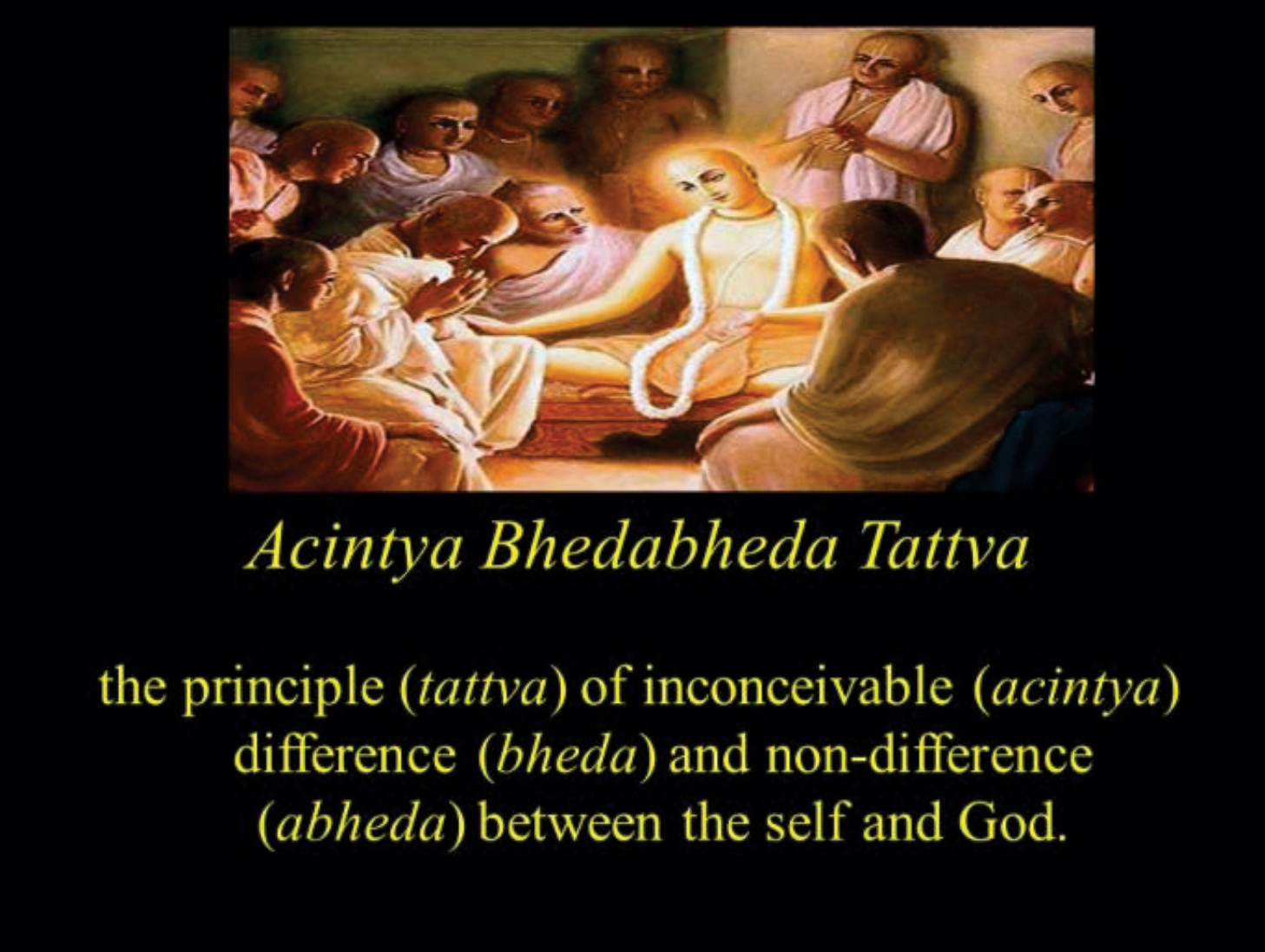
Chaitanya Mahaprabhu was the founder of Gaudiya Vaishnavism and a major exponent of Bhakti Yoga.
Key Contributions:
- Propounded the philosophy of Achintya Bheda Abheda
- Popularized ecstatic devotion through kirtan and sankirtan
- Spread Krishna Bhakti across Bengal
He promoted the chanting of the Hare Krishna Maha Mantra and authored the Shikshashtakam, a set of eight devotional verses.
Srimanta Sankardev (15th–16th Century)
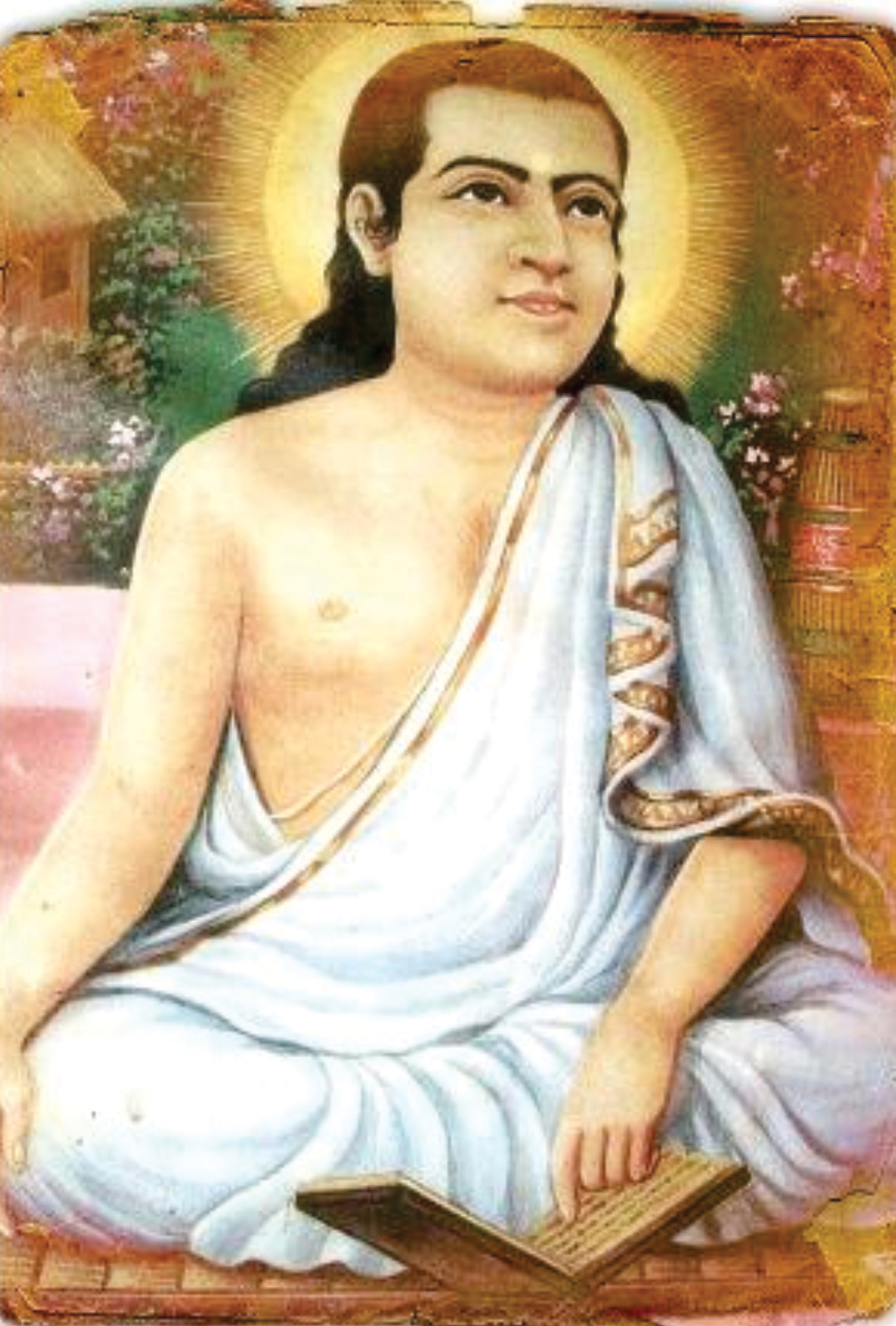
Sankardev was a saint-scholar who spread the Bhakti Movement in Assam.
Contributions:
- Introduced Borgeet (devotional music)
- Developed Ankia Naat and Bhaona (religious theatre)
- Systematized Sattriya dance
- Used Brajavali as a literary medium
He reshaped Assamese culture through devotion-centered art forms.
Vallabhacharya (1479–1531 CE)
Vallabhacharya founded the Pushti Marg, a Krishna-centric Vaishnava sect.
Philosophy: Shuddha Advaita (Pure Nondualism)
- Rejected asceticism and monasticism
- Advocated salvation through loving devotion within household life
- Worshipped Krishna as Srinathji
Literary Works:
- Anubhashya
- Shodasha Granth
- Commentaries on Bhagavata Purana
Surdas
Surdas was a blind devotional poet known for his lyrical compositions in praise of Lord Krishna.
Key Points:
- Wrote in Braj Bhasha
- Inspired by Vallabhacharya
- Member of the Ashtachhap poets of Vallabha Sampradaya
His major work, Sur Sagar, vividly depicts Krishna’s childhood and divine play.
Mirabai
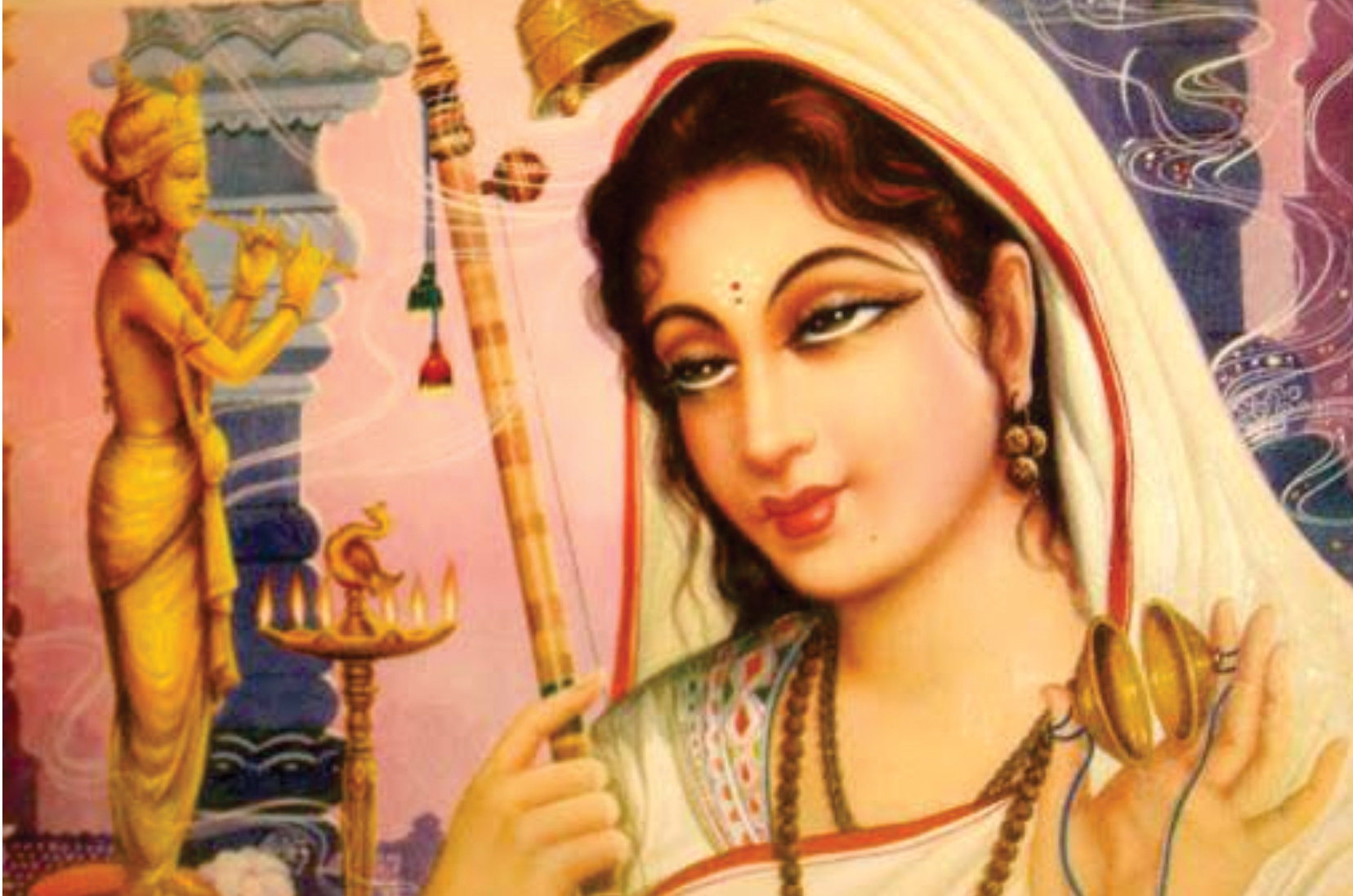
Mirabai was a 16th-century mystic poet and ardent devotee of Lord Krishna.
Highlights:
- Defied social norms and royal expectations
- Expressed deep personal devotion through songs and poems
- Became a symbol of pure, unconditional Bhakti
Her compositions remain central to North Indian devotional tradition.
Swami Haridas
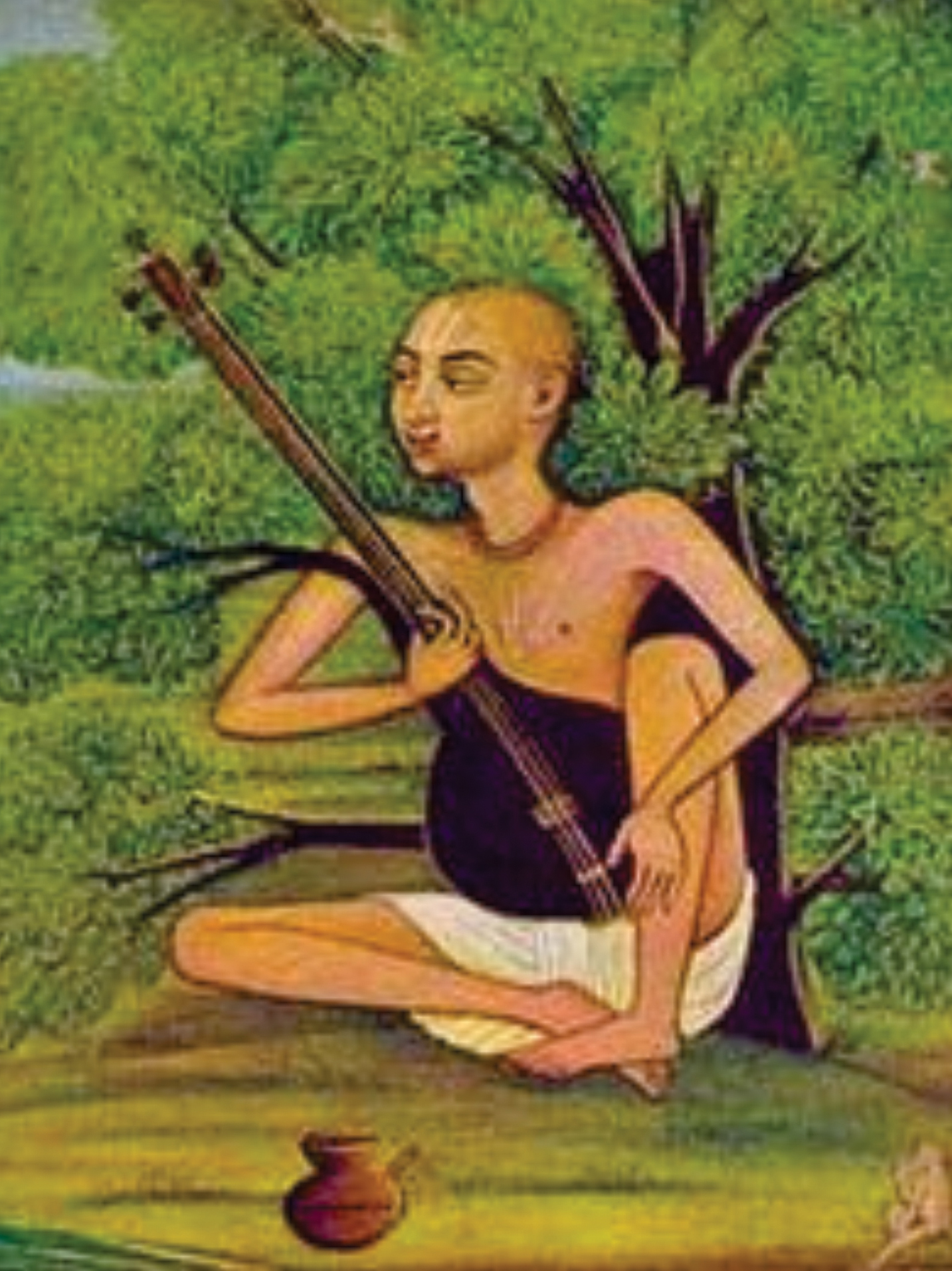
Swami Haridas was a saint-poet and classical musician, associated with Radha-Krishna Bhakti.
Contributions:
- Founder of the Haridasi school of mysticism
- Promoted Dhrupad-style devotional music
- Influenced both Bhakti traditions and classical music
One of his most famous disciples was Tansen, one of Akbar’s Navratnas.
Tulsidas (1532–1623 AD)
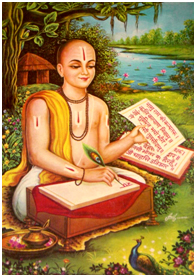
Tulsidas was a Ramanandi saint devoted to Lord Rama.
Major Contributions:
- Authored Ramcharitmanas in Awadhi
- Popularized Ramlila folk theatre
- Founded Sankatmochan Hanuman Temple in Varanasi
He is regarded as one of the greatest poets in Hindi and world literature.
Bhakti Saints from Maharashtra
Sant Dnyaneshwar (1275–1296 AD)
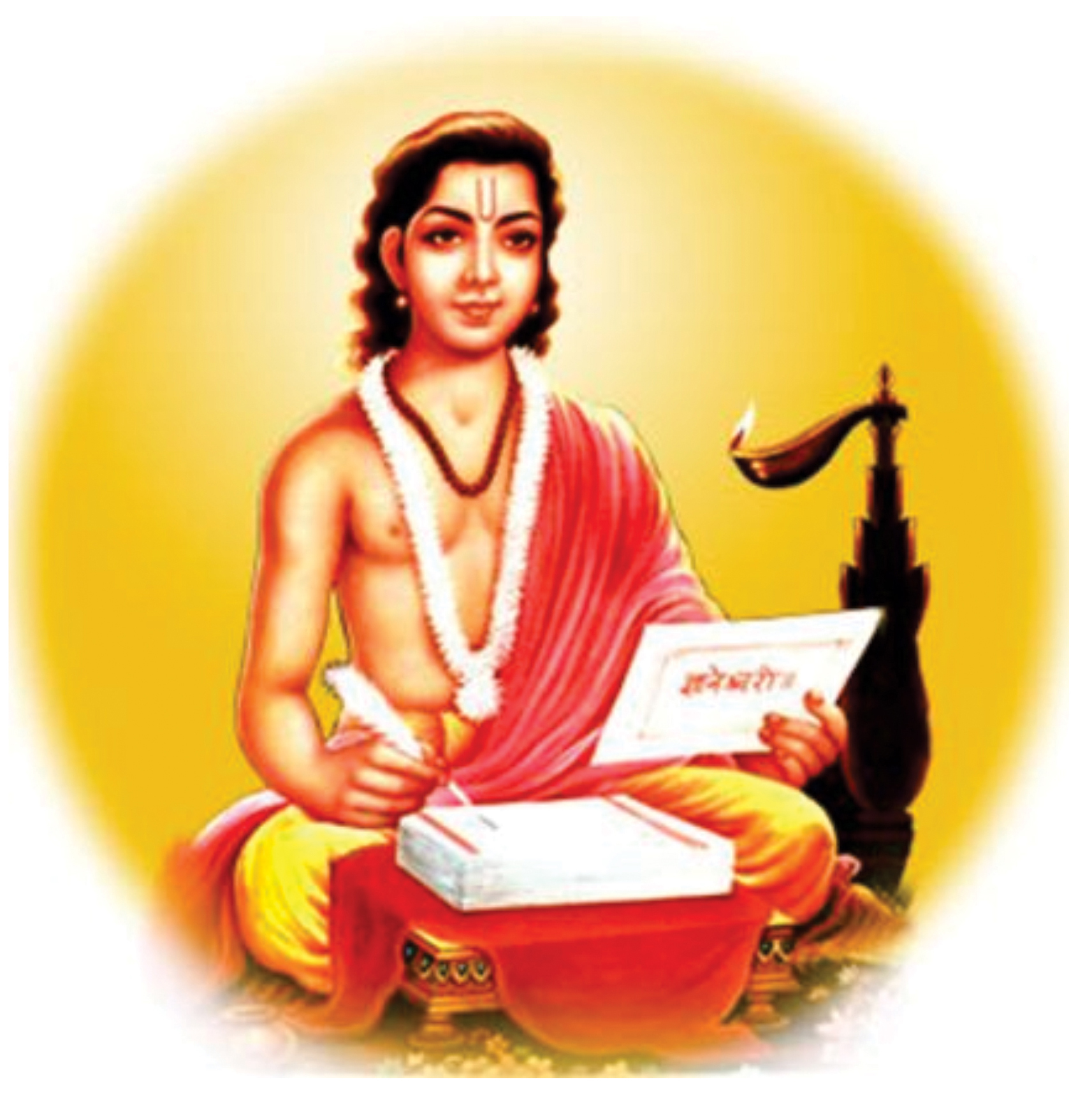
- Nath Vaishnava saint and philosopher
- Authored Dnyaneshwari, a Marathi Gita commentary
- Opposed caste and ritualism
- Followers known as Varkaris, worshippers of Lord Vithoba
Sant Namdev
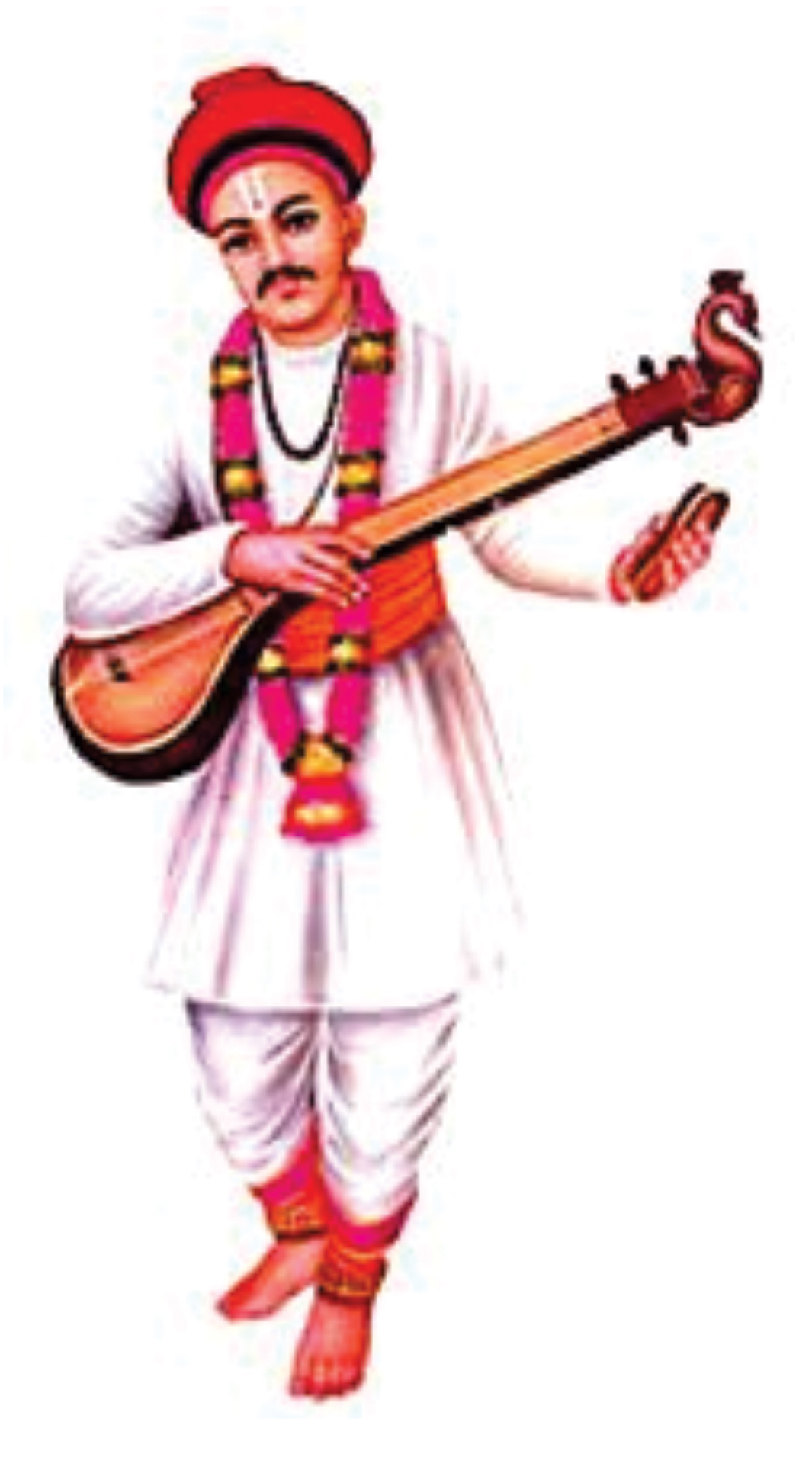
- Disciple of Dnyaneshwar
- Advocate of equality and Bhakti Marga
- Condemned idol worship
- His hymns appear in the Guru Granth Sahib
Sant Eknath
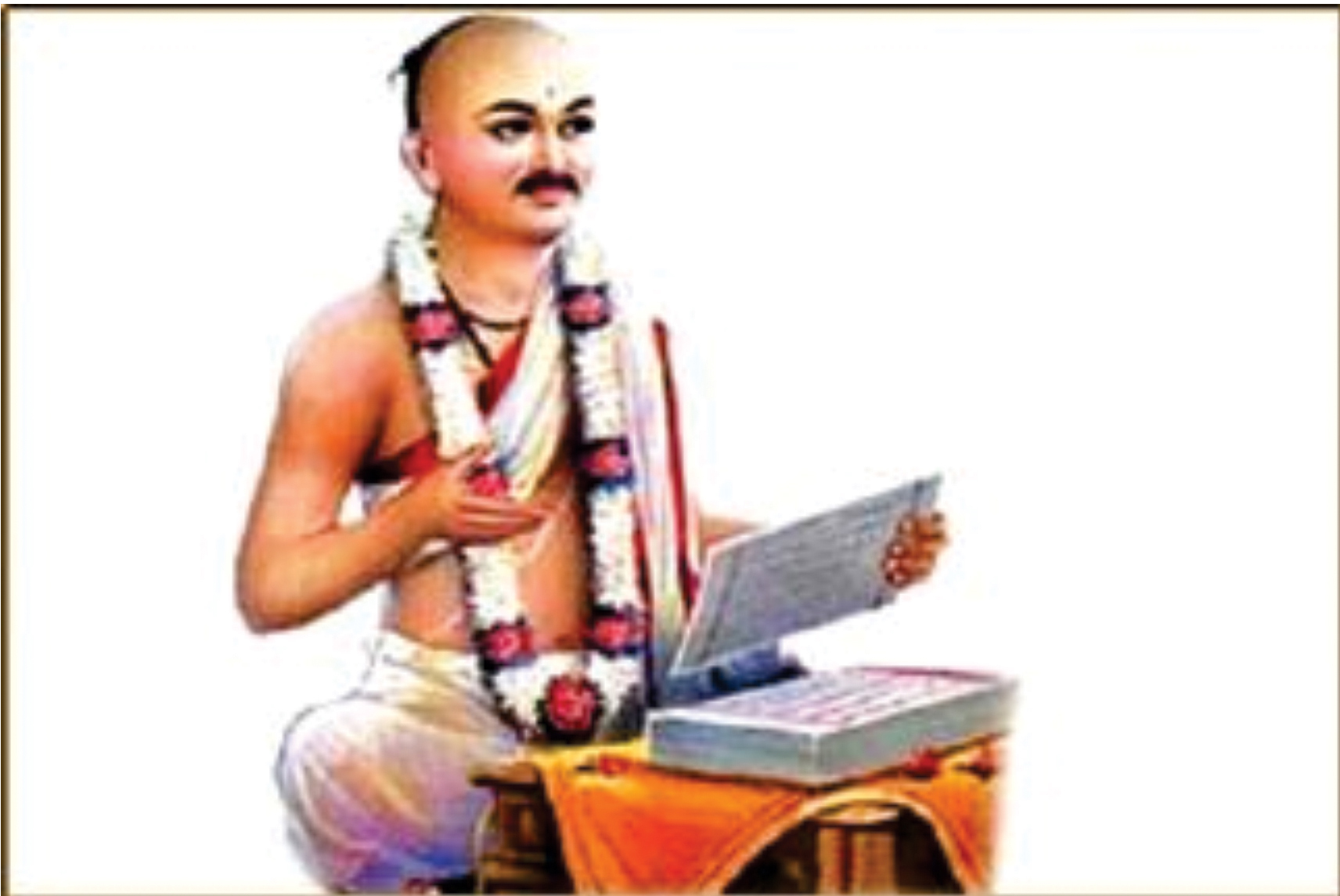
- Promoted social equality and family-based devotion
- Rejected orthodoxy and ritualism
- Wrote Abhangas, Bharuds, and Owees in Marathi
Sant Tukaram (1608–1651 AD)
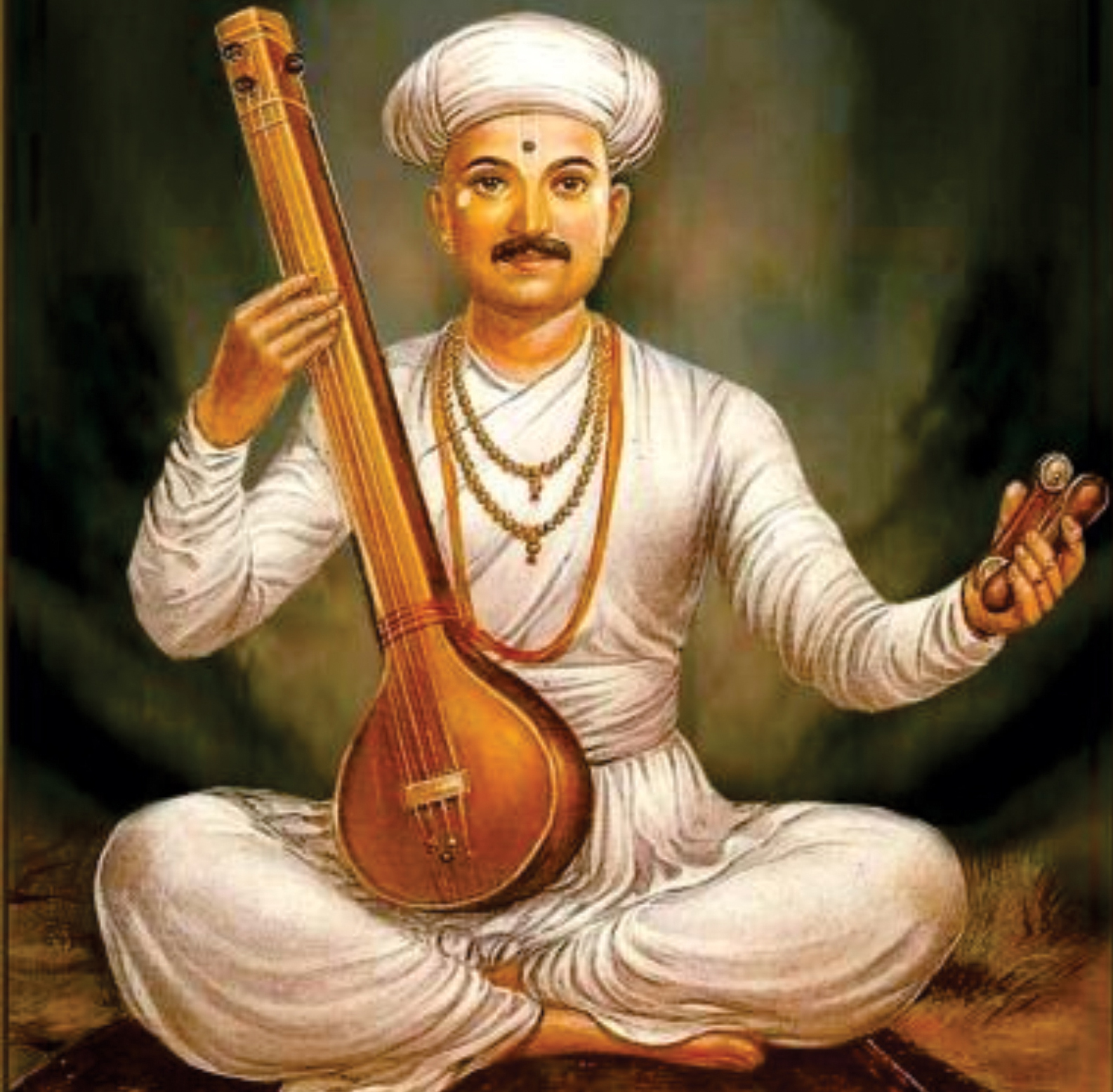
- Contemporary of Chhatrapati Shivaji
- Famous for Abhangas and Kirtans
- Preached equality, peace, devotion, and forgiveness
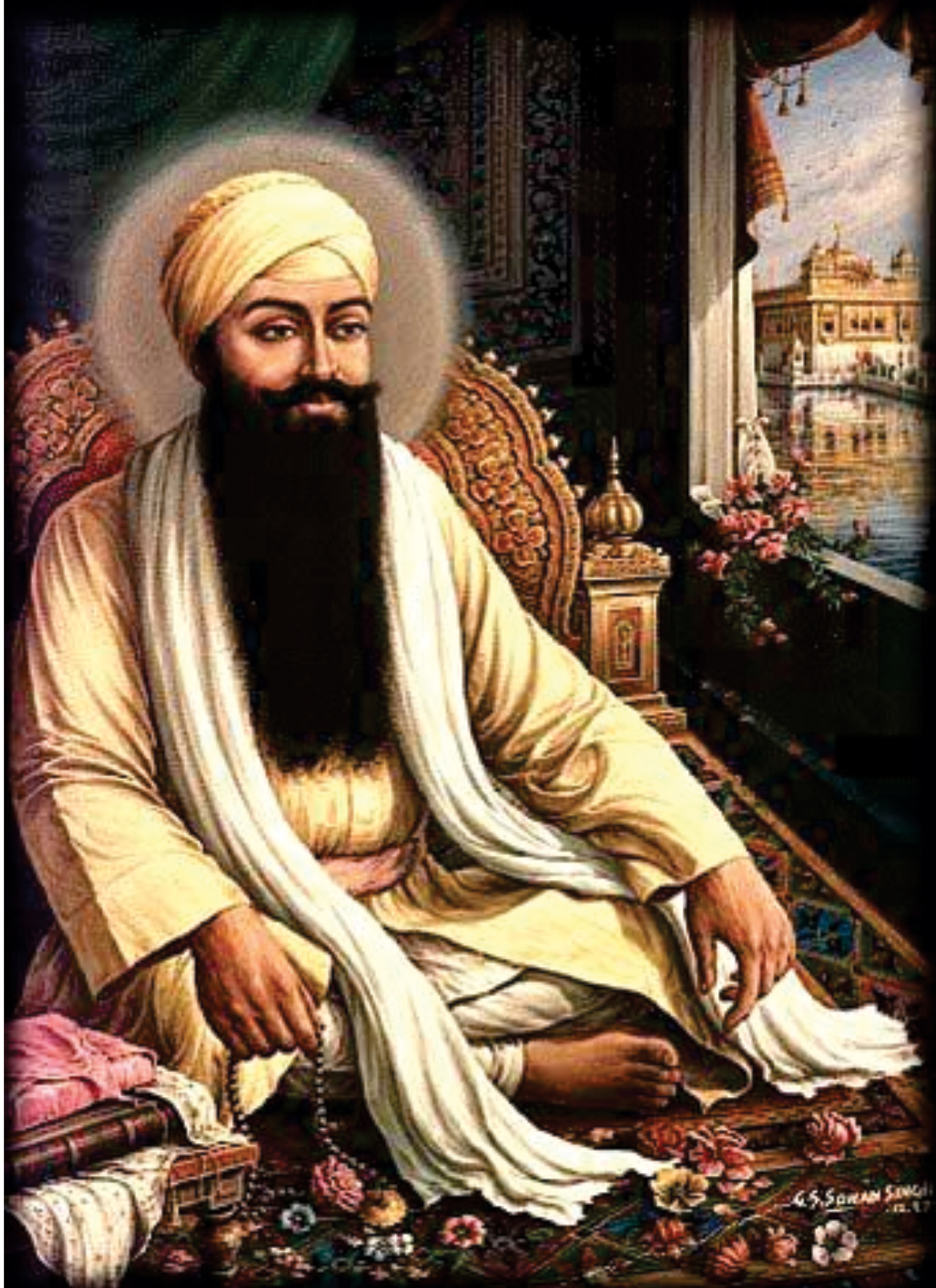
Guru Ramdas
- Devotee of Lord Rama
- Established ashrams across India
- Influenced Chhatrapati Shivaji along with Sant Tukaram
 Panchang Official